
Launching the "Inclusive and Climate-Resilient Water Governance & Livelihoods in Vietnam" Project

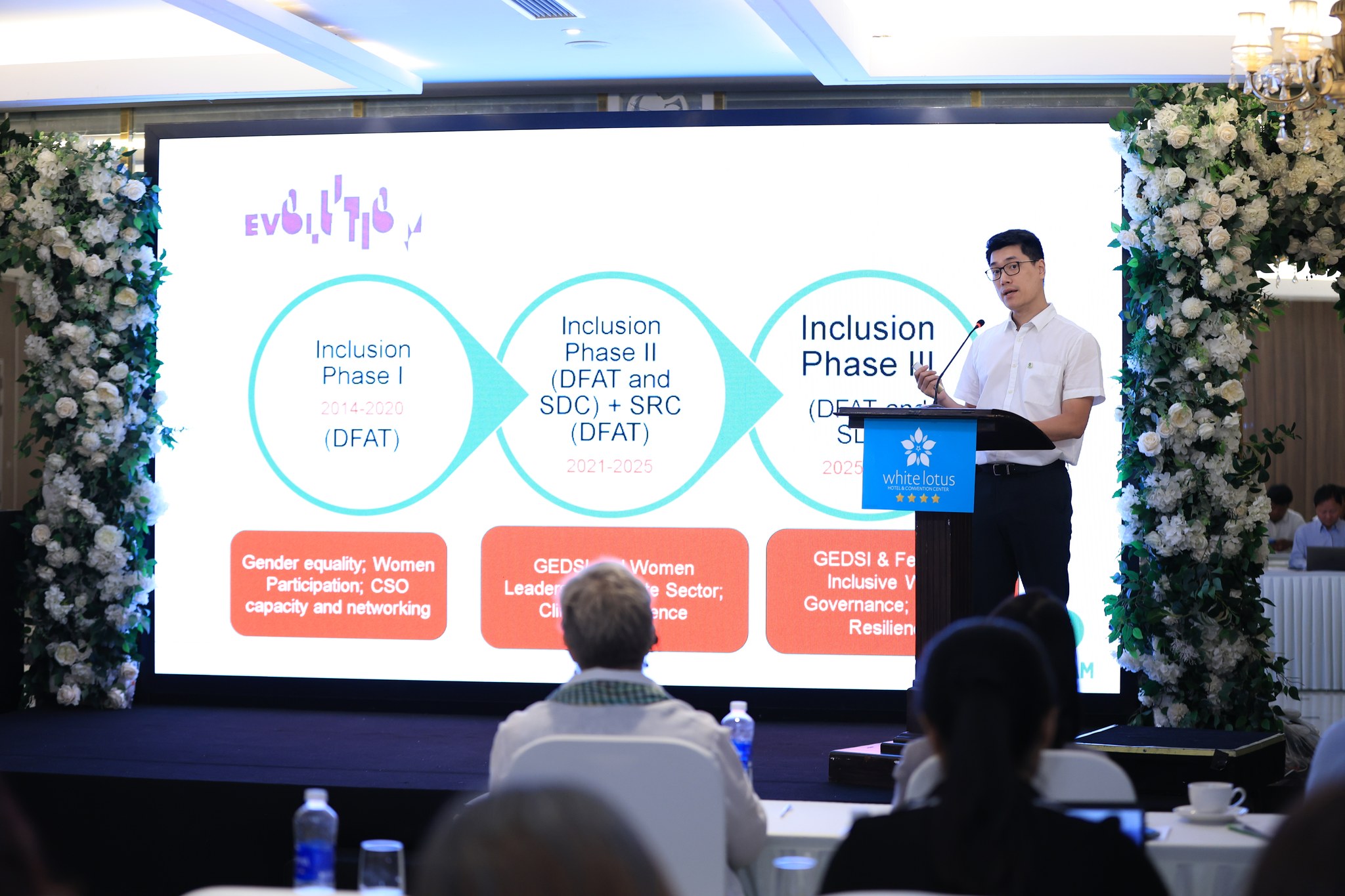
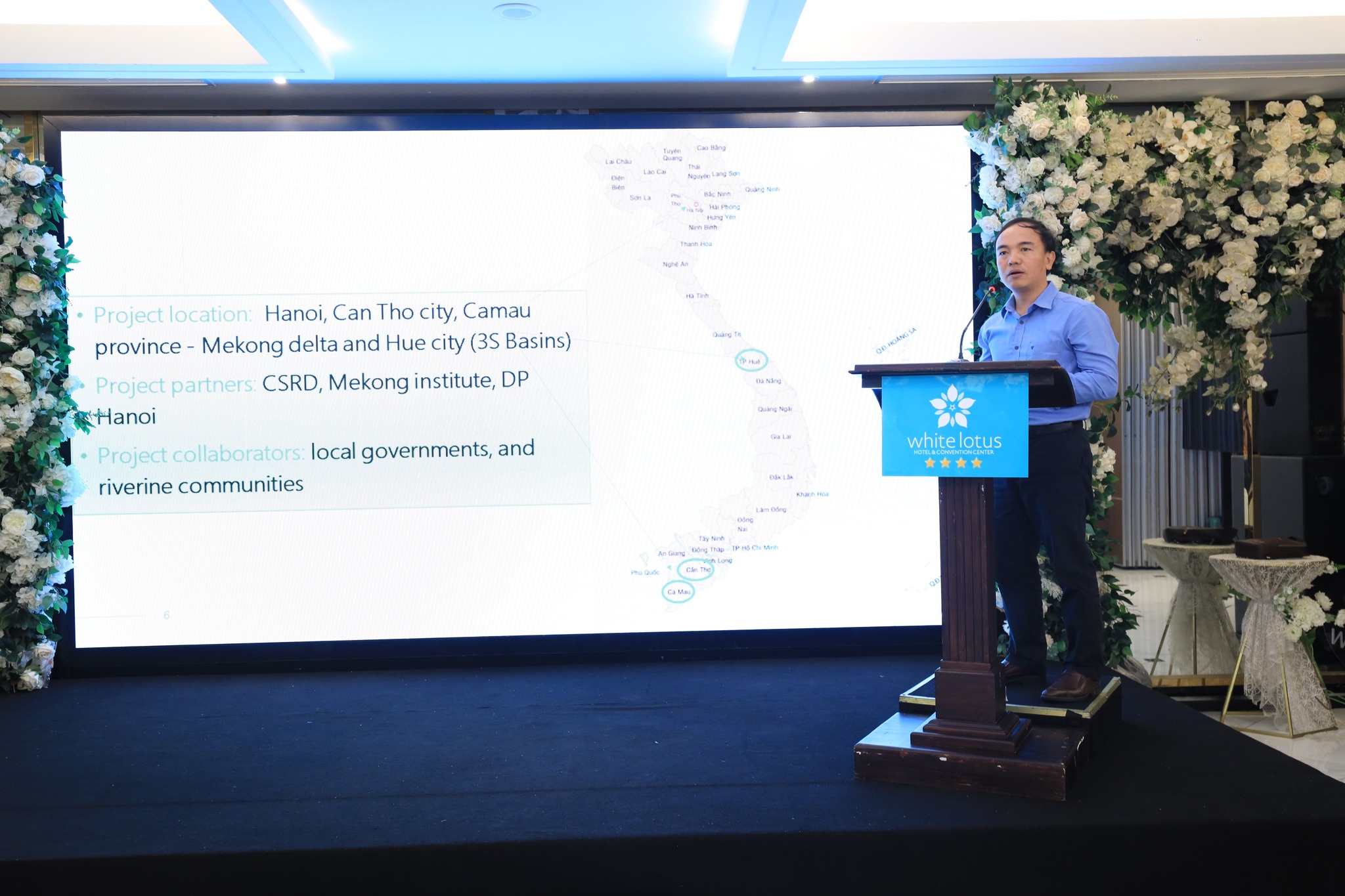
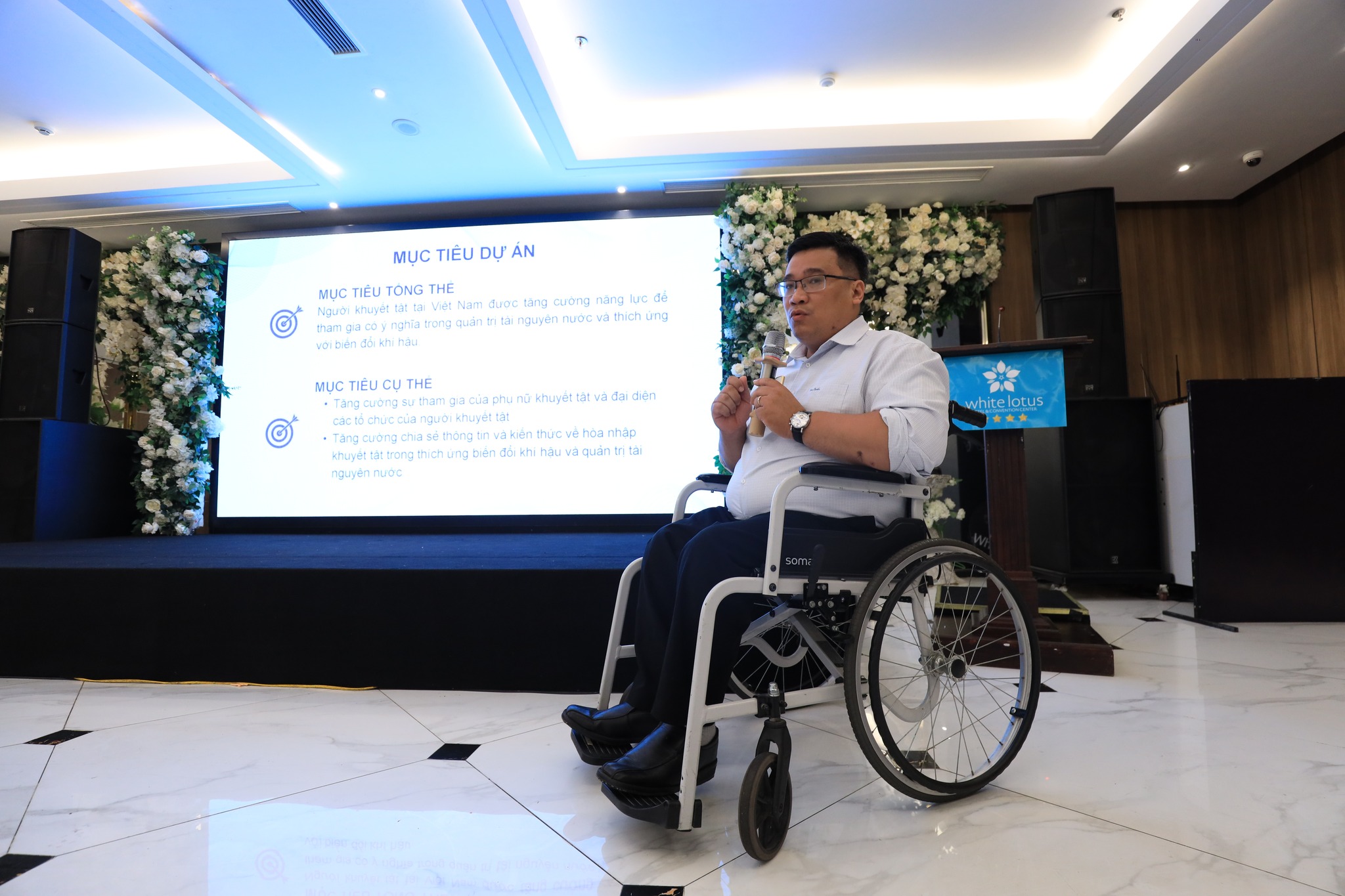
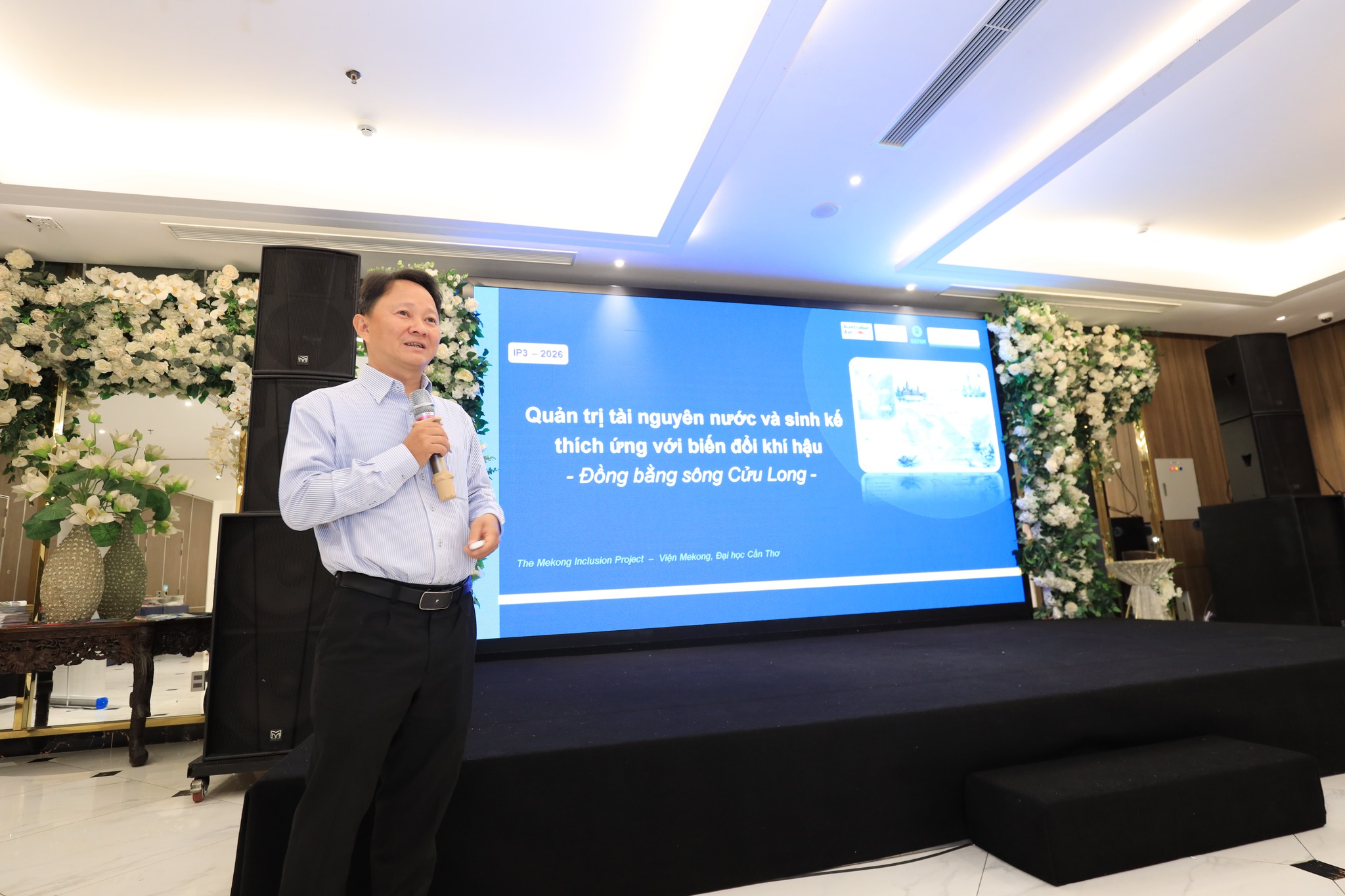
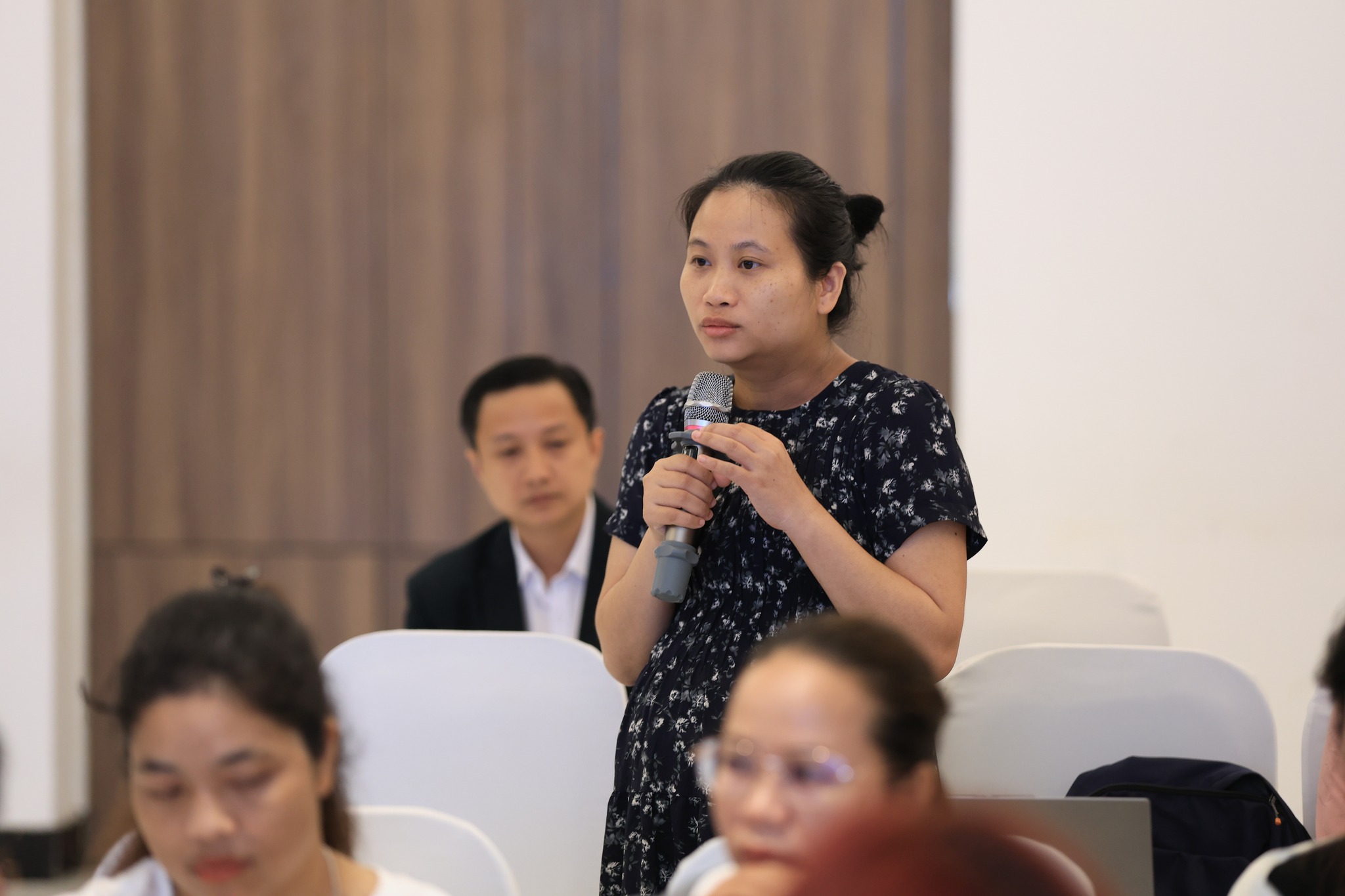
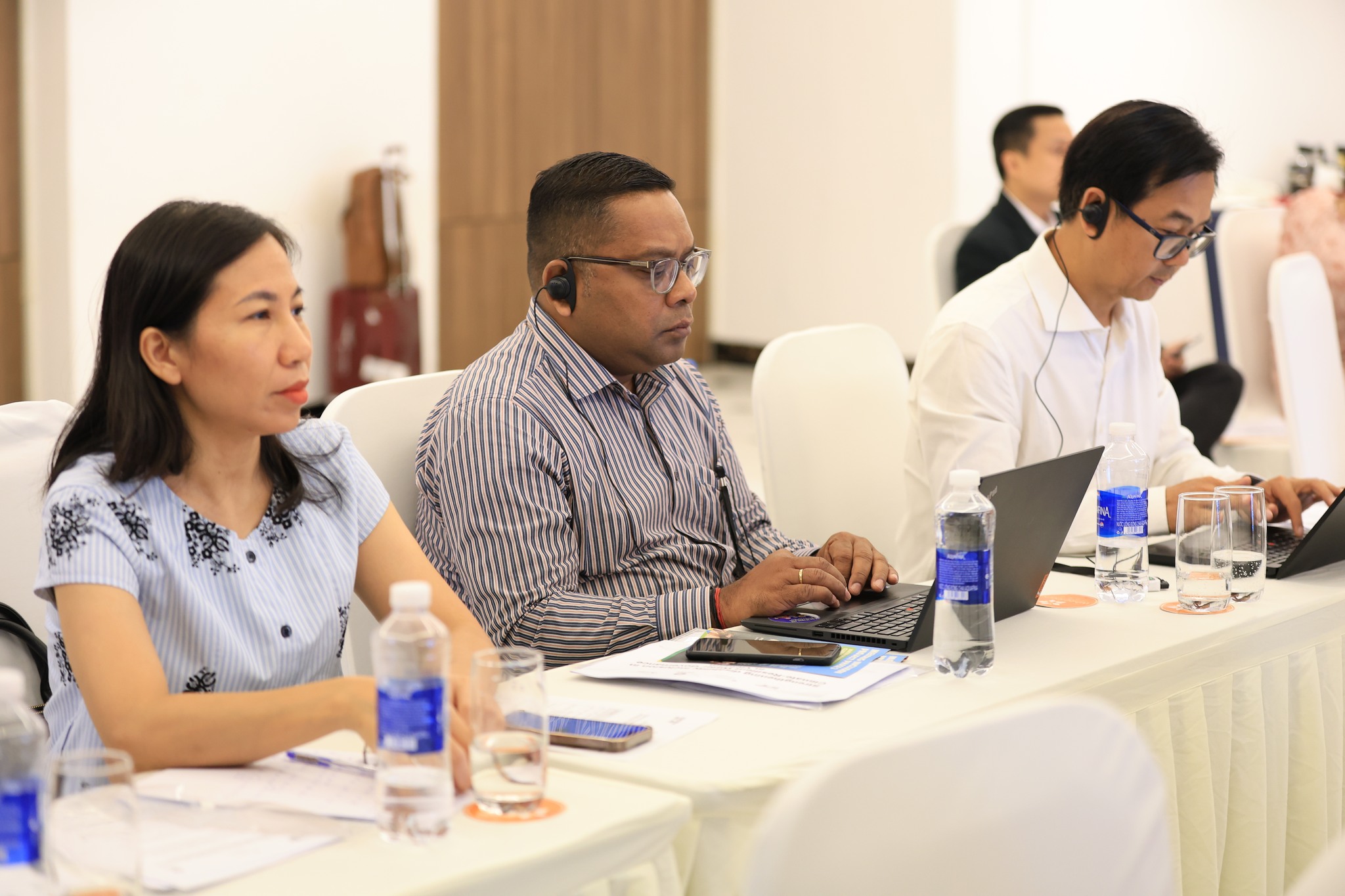
On 26 May, in Hue, Oxfam in Vietnam, in partnership with the Centre for Social Research and Development (CSRD), organized the launch workshop for the "Inclusive and Climate-Resilient Water Governance & Livelihoods in Vietnam” Project under Mekong Inclusion Program 3 Water Governance and Climate Resilience (IP3).
The project’s key activities include:
- Strengthening inclusive water resource governance in Hanoi, Hue, Can Tho, and Ca Mau Province;
- Developing and scaling up climate-resilient livelihood models in the Mekong Delta and the Sekong River Basin;
- Enhancing capacities for disaster risk reduction and climate change adaptation in project areas;
- Strengthening the capacity of civil society organizations and local partners to integrate gender equality, disability, and social inclusion (GEDSI) into disaster risk reduction and climate adaptation initiatives.
The project places a strong emphasis on the meaningful participation and leadership of women, ethnic minorities, persons with disabilities, and other vulnerable communities.
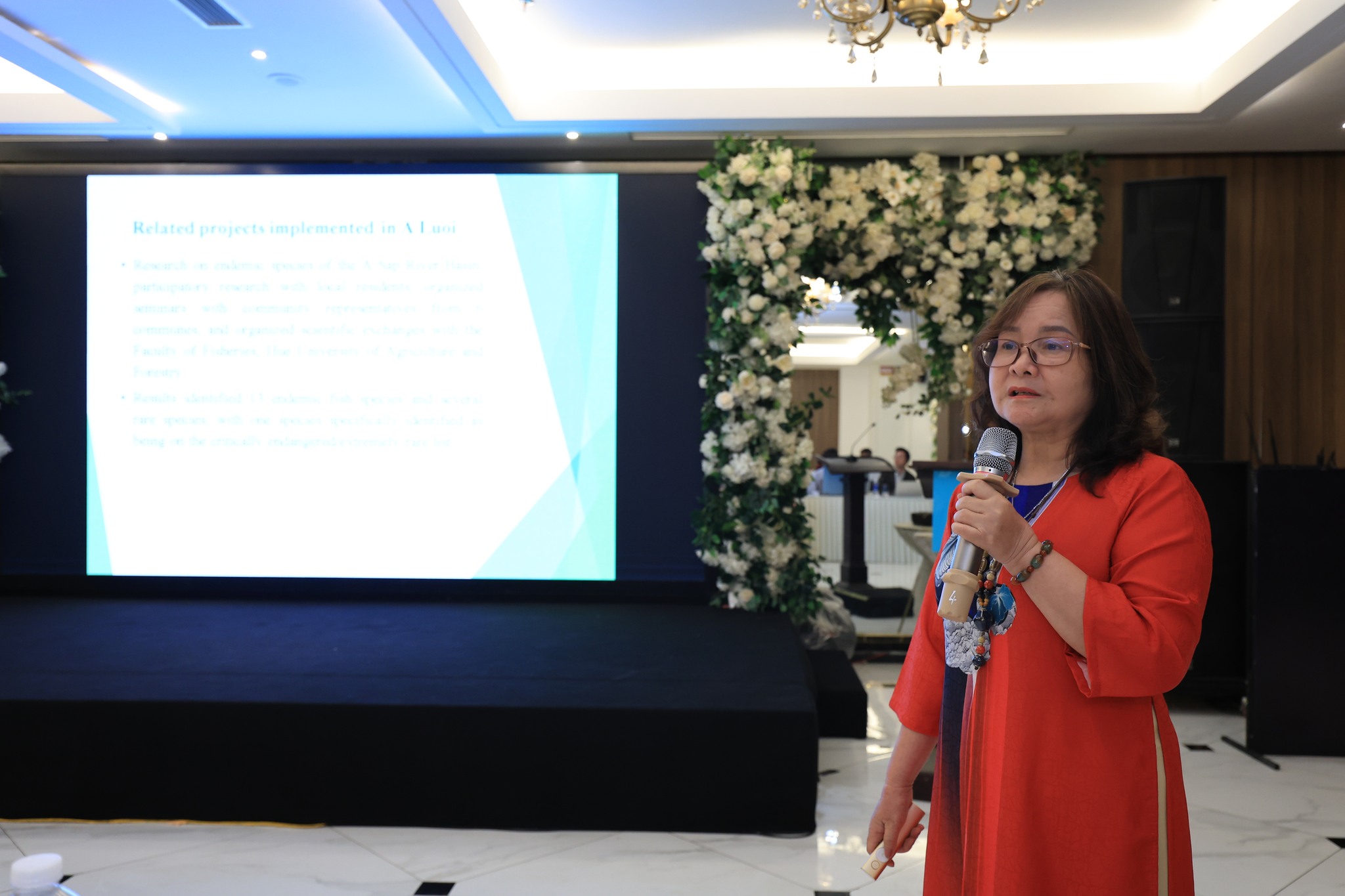
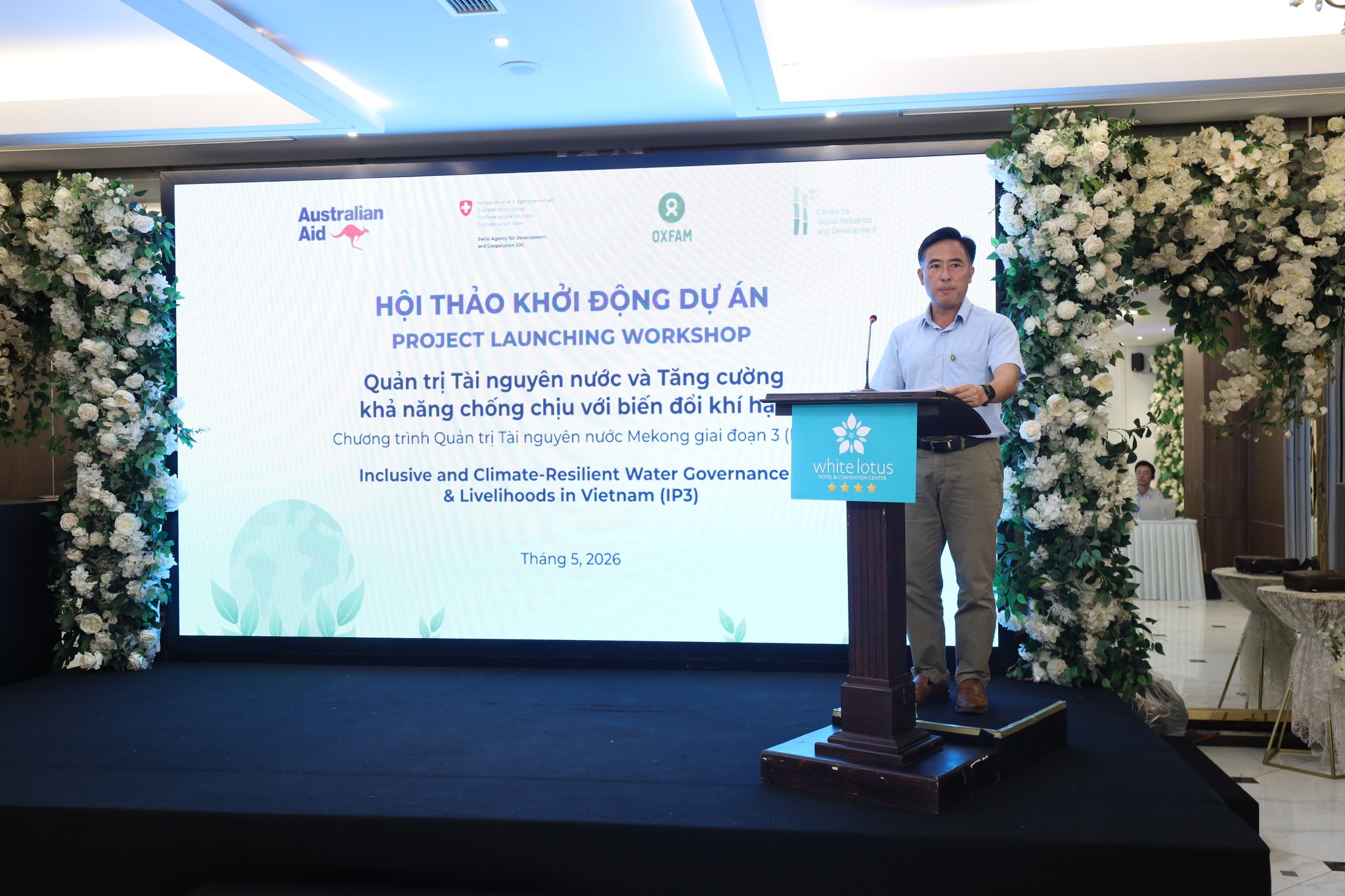
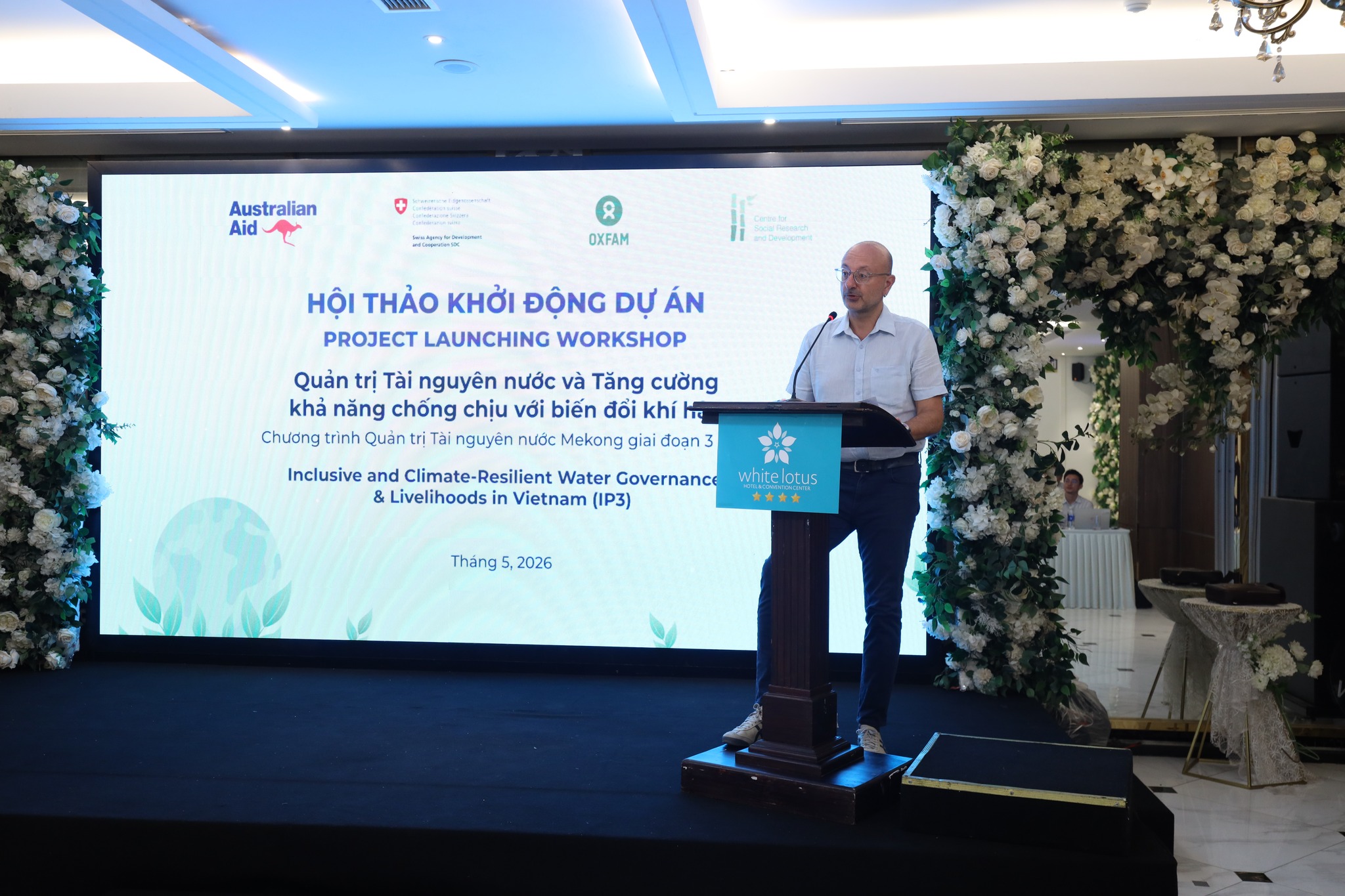
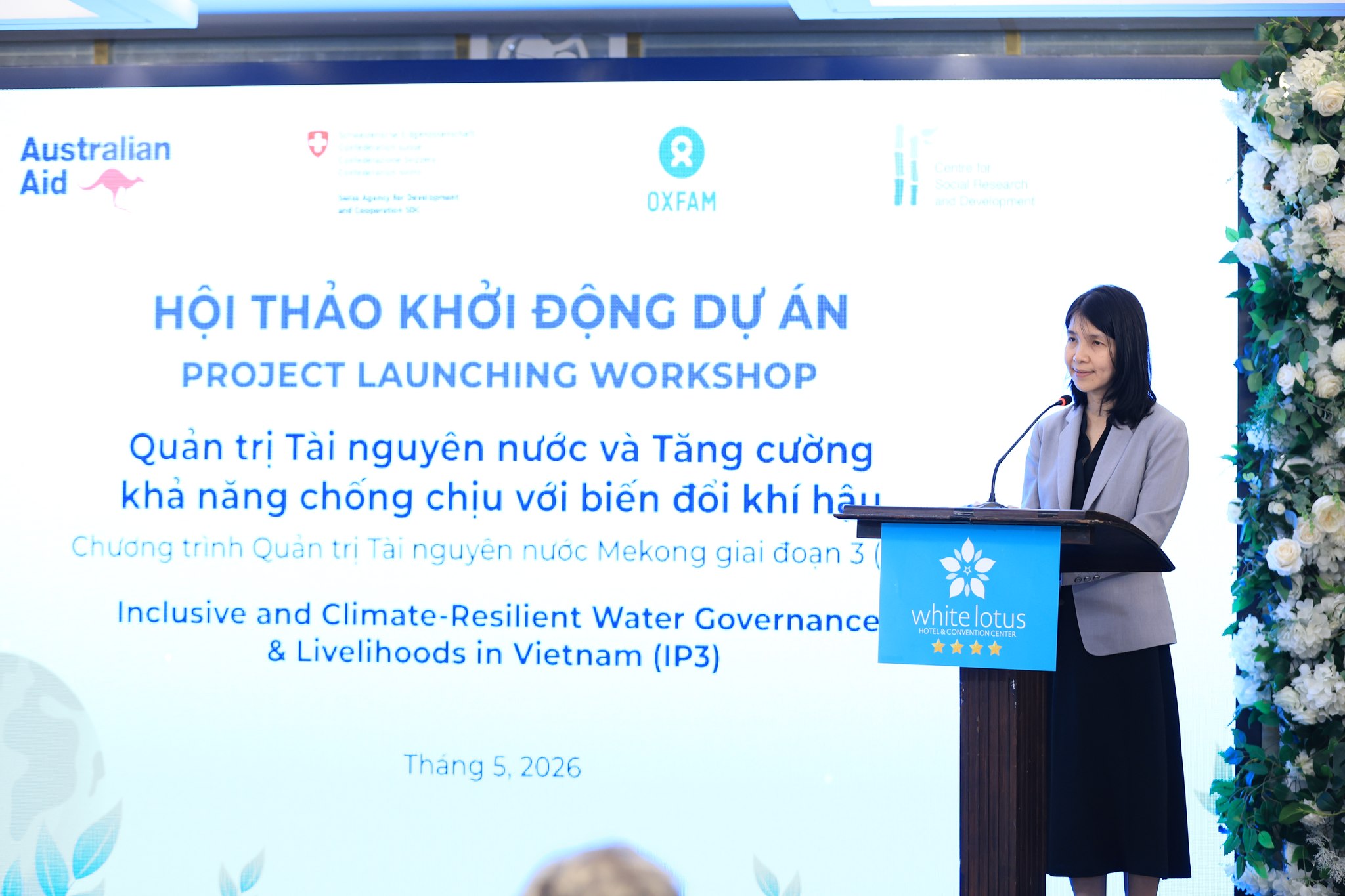
Viet Nam is among the world’s top 10 countries most affected by extreme weather events and is considered one of the countries most vulnerable to climate change globally. The country is home to 6.2 million persons with disabilities, 58% of whom are women — a group that is particularly vulnerable during disasters due to limited access to social protection policies and greater challenges in responding and adapting to climate change.
The IP3 Project will be implemented from 2025 to 2029, with a total budget for Viet Nam of USD 506,276 (equivalent to VND 13.34 billion), funded by the Australian Government’s Department of Foreign Affairs and Trade (DFAT) and the Swiss Agency for Development and Cooperation (SDC).
On the morning of 27 May 2026, delegates participating in the IP3 Project Launch Workshop, together with project donors, visited circular aquaculture and agricultural livelihood models in A Luoi 3 Commune, Hue City.

Ho Van Thang, a Pa Co farmer with disabilities from Can Te Village, A Luoi 3 Commune, who received support from the IP2 Project, introduced his earthworm farming model using cattle waste. The earthworms are used as feed for cage fish farming. This model has helped Thang optimize input costs while improving the livelihoods and incomes of members of the livelihood group he leads.

Workshop participants joined a field visit to the IP3 project site in A Luoi 3 Commune, Hue City, where CSRD is implementing activities in collaboration with local authorities and community members.

The delegation, together with CSRD and Hue University of Agriculture and Forestry, visited a survey and research site to develop a co-management model for aquaculture combined with the conservation of rare and high-value fish species in A Luoi 3 Commune, Hue City.

The Mekong Water Governance Programme – Phase 3 (IP3) is funded by the Australian Government’s Department of Foreign Affairs and Trade (DFAT) and the Swiss Agency for Development and Cooperation (SDC) through Oxfam, and is being implemented across five countries: Cambodia, Thailand, Lao PDR, Viet Nam, and Myanmar.
In Viet Nam, the IP3 Project is managed by Oxfam in Vietnam and implemented in partnership with three organizations: the Centre for Social Research and Development (CSRD) in Hue City; the Hanoi Disabled People’s Association (DP Hanoi); and the Mekong Institute under Can Tho University.